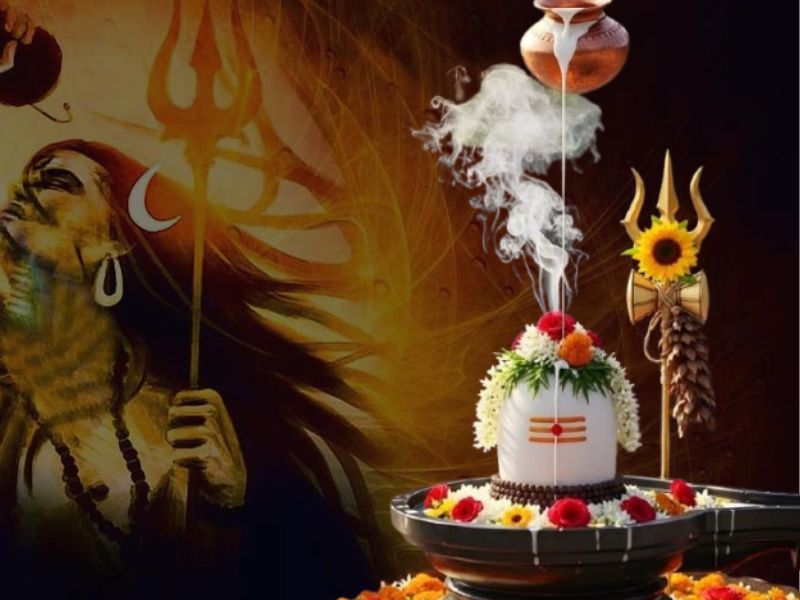
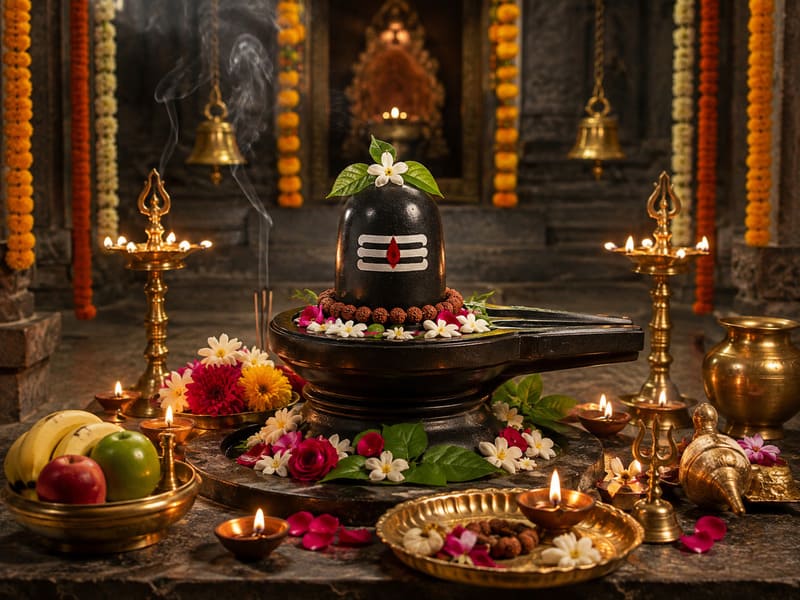
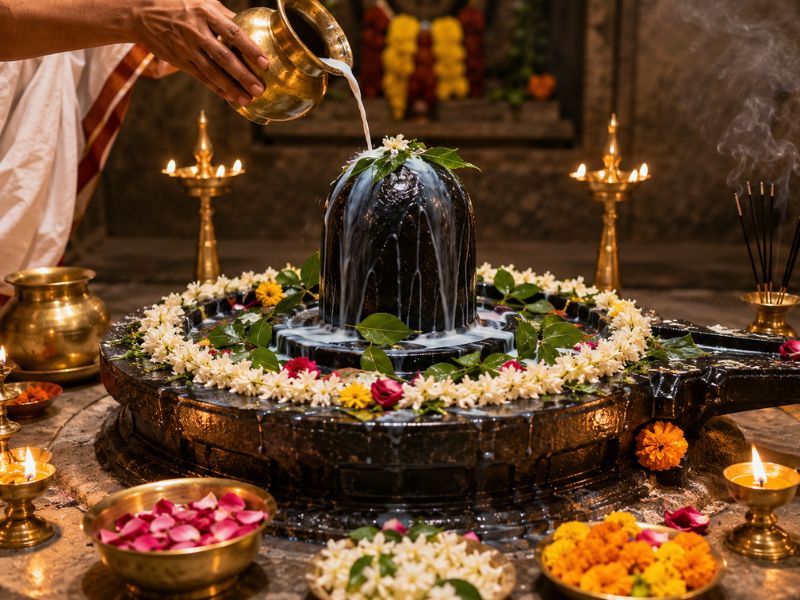
Rudra Abhishek Pooja is one of the most revered forms of Lord Shiva worship in Hindu tradition. The ceremony involves offering sacred substances such as water, milk, honey, curd, ghee, and other traditional items to a Shiva Lingam while chanting Rudra mantras. Devotees perform this ritual to express devotion, seek divine blessings, and create a peaceful spiritual atmosphere.
Trimbakeshwar in Nashik, Maharashtra, holds special importance for Shiva devotees because of the sacred Trimbakeshwar Jyotirlinga. Performing Rudra Abhishek Pooja Trimbakeshwar in this spiritually significant place can make the religious experience especially meaningful for devotees and families.
What is Rudra Abhishek Pooja?
Rudra Abhishek is a traditional form of Abhishekam dedicated to Lord Shiva. During the ceremony, the Shiva Lingam is respectfully bathed with sacred offerings while priests recite Vedic mantras and prayers. The word “Rudra” is associated with a powerful form of Lord Shiva, while Abhishek refers to the ceremonial bathing of the deity. Therefore, the ritual combines devotion, mantra chanting, offerings, and prayer in a structured Vedic ceremony.
Devotees may perform the pooja during important occasions, personal milestones, spiritual observances, or after receiving guidance from a priest or astrologer.
Rudra Abhishek Vidhi in Trimbakeshwar Nashik
Understanding the traditional Rudra Abhishek Vidhi helps devotees appreciate the significance of each stage of the ceremony. The exact procedure may vary according to regional customs, family traditions, and the priest conducting the ritual.
Ganesh Puja
The ceremony generally begins with prayers to Lord Ganesha. Devotees seek His blessings before starting the main Shiva worship.
Sankalp
The priest performs Sankalp, which establishes the purpose of the ceremony. The devotee's name and other relevant details may be included during this sacred declaration.
Kalash Sthapana
A Kalash is prepared and placed according to the prescribed ritual method. It represents auspiciousness, purity, and divine presence.
Shiva Abhishek
The main Abhishek begins with sacred offerings made to the Shiva Lingam. Water, milk, curd, honey, ghee, sugar, and other traditional substances may be used depending on the type of Abhishek being performed.
Rudra Mantra Chanting
Vedic mantras and Shiva prayers are recited during the Abhishek. The rhythmic chanting creates a devotional environment and forms an important part of the ceremony.
Bilva Patra and Flower Offering
Bilva leaves, flowers, sandalwood, fruits, and other traditional offerings are presented to Lord Shiva with devotion.
Aarti and Prasad
The ceremony concludes with Shiva Aarti and prayers. Prasad is then distributed among the devotees as a sacred offering.
Who Can Perform Rudra Abhishek Vidhi?
Individuals, couples, families, and groups can participate in Rudra Abhishek Vidhi. The ritual does not necessarily need to be restricted to a particular age group or occasion. However, the procedure involves specific mantras and traditional steps. An experienced priest can guide devotees through the ceremony and explain the significance of the offerings.
Pandit Durgesh Guruji provides guidance for devotees who wish to perform traditional Shiva rituals and helps arrange the ceremony according to their spiritual requirements.
Book Rudra Abhishek Pooja Trimbakeshwar
A visit to Trimbakeshwar can become a meaningful spiritual journey when combined with traditional Shiva worship. Whether you are planning a family ceremony, seeking blessings for an important occasion, or simply wishing to express devotion to Lord Shiva, Rudra Abhishek offers a structured way to pray. Pandit Durgesh Guruji assists devotees with traditional Vedic rituals and provides guidance regarding the Rudra Abhishek Vidhi procedure, preparation, and arrangements. Devotees can discuss their requirements in advance to ensure that the ceremony is organized appropriately.
For devotees searching for Rudra Abhishek Pooja Trimbakeshwar, the sacred town of Trimbakeshwar offers a deeply religious setting for Shiva worship. The town is home to the Trimbakeshwar Jyotirlinga, one of the twelve traditionally recognized Jyotirlingas dedicated to Lord Shiva. Trimbakeshwar attracts pilgrims throughout the year. Devotees often combine temple darshan with other Shiva-related rituals during their visit.
Plan your visit to Trimbakeshwar with devotion and allow yourself time for temple darshan, prayer, and spiritual reflection.
Frequently Asked Questions
Q. What is included in Rudra Abhishek vidhi?
The traditional procedure may include Ganesh Puja, Sankalp, Kalash Sthapana, Shiva Abhishek, Rudra mantra chanting, Bilva Patra offerings, Aarti, and Prasad.
Trimbakeshwar is home to the revered Trimbakeshwar Jyotirlinga. Devotees visit the sacred town to seek Lord Shiva's blessings and participate in traditional religious ceremonies.
Q. Which day is best for Rudra Abhishek Pooja?
Monday is traditionally considered an important day for Shiva worship. However, the suitable date may depend on the purpose of the ceremony and the devotee's religious or family tradition.
Q. Can families participate in Rudra Abhishek Vidhi?
Yes. Families can participate in the ceremony and offer prayers together. The priest can explain the appropriate participation and Sankalp procedure.
Q. What should I arrange before visiting Trimbakeshwar?
Confirm the pooja date, timing, venue, priest availability, and required materials in advance. If horoscope-based guidance is needed, keep the relevant birth details available.